

Nobody really plans for this conversation. It usually starts after something happens. A stumble on the stairs that was worse than anyone admitted. A phone call from a neighbour. A visit home where you notice the fridge is nearly empty and your mum seems quieter than usual. That’s when families begin asking questions about residential nursing homes, about carers, about what help actually looks like in practice.
This blog covers all of that- what good home care involves, what to look for in a carer, and when other options like residential care in Bournemouth might be worth considering. If you’re somewhere in the middle of that process right now, Kanesbury Care works with families across Bournemouth every day who are asking the same things.
It’s Not Just Practical Help
People often underestimate what homecare services actually cover. It’s not just about helping with washing and getting dressed, though those things matter enormously. It’s medication reminders. It’s someone making sure a person eats properly. It’s companionship for someone who might otherwise go days without a real conversation. It’s also the peace of mind that comes from knowing someone will actually notice if something changes.
Staying at home is something most people want for as long as possible, and rightly so. Your own space, your own routine, your own things around you, that sense of familiarity is genuinely good for people, not just emotionally but physically too. For someone living with dementia, being in a known environment can make a real difference to how settled and calm they feel day to day.
Not sure what level of support your loved one needs right now? A conversation can often help bring clarity.
What Makes a Carer Actually Good at This
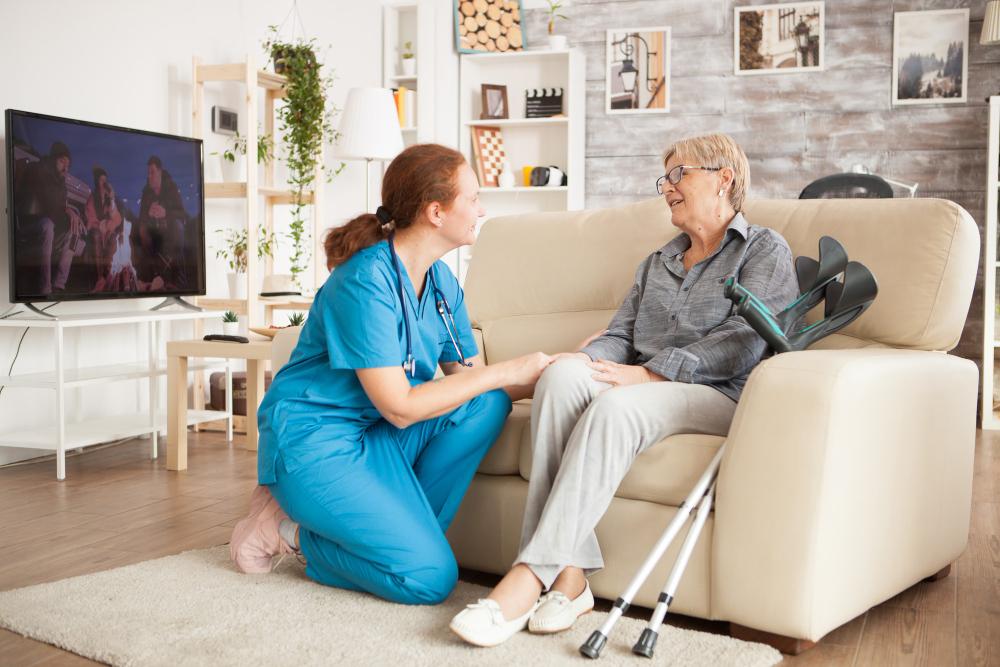
This is the bit families often find hardest to assess, because on paper, many carers look similar. But the ones who genuinely improve someone’s quality of life tend to share a few things. They show up. Every time, on time. That might sound like a low bar, but for someone whose morning routine depends on another person arriving, reliability isn’t a small thing. It’s everything.
They’re patient in a way that doesn’t feel forced. Care takes time. Some days are more than others. A carer who quietly adapts to how someone is feeling that morning, rather than pushing through a checklist, is doing something that actually matters. They talk to families honestly. Not just reassuringly, but honestly. If something has changed, if a person seems more confused or in more discomfort, a good carer says so. That kind of open communication is what allows families to make better decisions before situations escalate.
And then there’s the harder-to-name quality-the genuine interest in the person. Remembering that someone used to be a teacher. Knowing they like their tea a particular way. Noticing when they seem down. Professional nursing care delivered with that level of attention feels completely different from care delivered without it.
Staying Independent Doesn’t Mean Doing Everything Alone
There’s a worry a lot of people have, and it’s understandable: that needing a carer means losing control over your own life. In good care, the opposite is true. The whole point of home care services done properly is to fill in the gaps, not take over. Someone might need help getting dressed, but still wants to decide what they’re wearing. They might need a meal prepared, but want to be in the kitchen while it happens. Supporting independence means working around what someone can and wants to do, not around what’s easiest for the carer.
When Home Care Isn’t Enough on Its Own
For some people, home care works well for years. For others, there comes a point where the level of support needed is more than can realistically be provided at home. That’s not a failure. It’s just a change in circumstances, and recognising it early usually means families have more options rather than fewer.
Residential care home settings and nursing care in Bournemouth including what Kanesbury Care provides across their homes offer something different. Round-the-clock support, a structured environment, social opportunities, and staff who are there constantly rather than for scheduled visits. Some people settle into that incredibly well, especially when they’ve been quite isolated at home. Others take longer to adjust. Both are normal.
The key part is that the call gets made on what the individual really needs, not on what feels like the easiest track for the family, even if everyone sort of assumes it’s “the simplest” way. In other words, it’s not about that low-effort road but more about practical requirements and how things should be shaped around them.
Conclusion
An effective carer alters not just the practical aspects of someone’s day. They provide regularity, companionship, and a specific kind of thoughtful attention—the kind that makes an individual feel truly valued rather than simply checked on.
Whether through homecare services, professional nursing care at home, or a transition into a residential nursing home, the right support allows individuals to live with greater security, dignity, and ease. At Kanesbury Care, the team supports families throughout Bournemouth with all of these decisions, helping to find the exact care and support that suits each unique circumstance.

Looking for guidance on home care, nursing care, or residential support?
FAQs
How can a carer improve the quality of life at home?
By being consistent and actually caring, a dedicated professional can make an enormous impact on day-to-day life. Someone who reliably turns up, notices how a person is doing, and delivers genuine company alongside practical help ensures that individuals feel truly seen. At Kanesbury Care, we understand that we are an essential piece in that puzzle, helping people feel less alone, more secure, and completely supported in the comfort of their own homes across Bournemouth.
What qualities should I look for in a home carer?
Reliability first. Then, patience, honest communication, and real warmth towards the person they’re caring for. Experience with relevant conditions is useful, but a carer’s attitude and the way they treat people matter at least as much. The best carers are genuinely interested in the individuals they look after, not just the tasks on the list.
Can home care help individuals maintain their independence?
That’s really what it’s meant to do. Good homecare services should support what a person can handle, rather than stepping in to take over or essentially replacing it . The whole point is to help people stay as self-reliant as possible, within their own home, and honestly, it helps their confidence and day-to-day wellbeing over time, in a pretty steady way.
How do I know if my loved one would benefit from a carer?
If everyday tasks are getting harder, if there are safety concerns, or if they seem more withdrawn or low than usual, those are all worth taking seriously. You don’t have to wait until things feel critical. Getting advice early gives families more options and usually leads to better outcomes for everyone involved.
What’s the difference between homecare services and a residential care home?
Homecare means providing aid in a familiar, friendly setting, whether it’s someone’s own home or a receptive place where needs are met. Constant support in a group home setting, with staff on site 24 hours a day, meals and activities scheduled, as well as encouragement to build community. What makes sense is entirely dependent on each individual: their health, their wishes and what sort of day-to-day support they really need.