
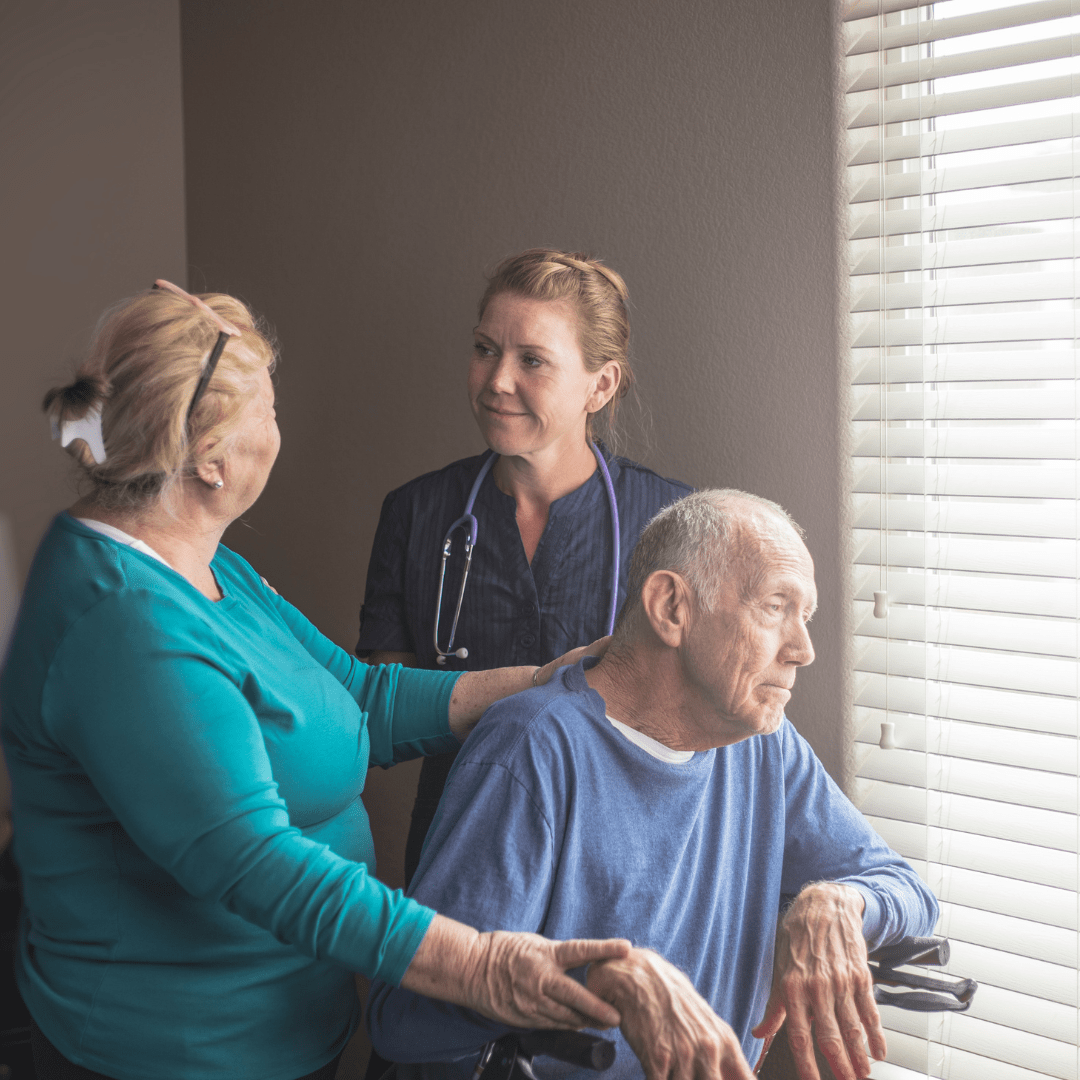
There is a strange guilt that follows families after a loved one moves into a care home. You made the decision. You know it was right. Still, a quiet worry lingers that you have stepped back from their life. You fear you will visit less. You fear they will feel forgotten. You fear the relationship will shrink to a weekly phone call and a birthday card.
This does not have to happen, and for most families, it doesn’t. Good care homes intentionally include families in their operations. Family involvement in care homes is built in, not added later.
Continue reading to understand where you fit, what to do each day, and how to stay close even when life gets busy.
Visiting Does Not Have to Follow a Script
Many people feel pressure to make visits special, believing unplanned visits aren’t valuable. Most residents aren’t looking for entertainment. They are waiting for you.
Bring something small and familiar: a magazine they enjoy, a recent family photo, or something home-baked if the facility allows it. The visit does not require a formal structure. Simply be present, without distractions, even for an hour.
You can even schedule a weekly video call at a consistent time. This will help your loved one feel more connected to you.
Keeping the Emotional Thread Going Between Visits
People often underestimate the impact of small gestures which help someone adapt to a new environment. A handwritten card, a letter, even a printed photograph posted through the mail, these things land differently than a text message..
In addition, getting to know the staff makes a bigger difference than most families expect. This is not about formal relationships. Build enough familiarity so someone on the team will call if your mum seemed quiet this week or loved Thursday’s activity. That kind of informal communication only happens when there is a real relationship.
Your Voice in Their Care Does Not Go Away
Moving a loved one into a care home does not hand over decision-making to the provider. You are still involved, and that is exactly what family involvement in care homes is about. If something seems wrong, speak up. If you want an explanation for an approach, ask. A good care home welcomes your questions and expects them.
How Families Are Kept in the Loop
The difference between a care home that communicates well and one that does not becomes clear very quickly. Families who feel informed are naturally more reassured, while those who are left chasing updates often feel anxious, even when everything is going well.
At Kanesbury Care, communication is consistent, personal, and easy to access. Families are supported by a dedicated liaison who provides regular updates, checks in when needed, and is always available to answer questions. This ongoing connection helps families feel involved, informed, and confident in their loved one’s care.
Being There for the Everyday Moments, Not Just the Big Ones
Several residents who live in care homes do not have family members who visit them. Many care homes welcome families at organised events, seasonal activities, and social gatherings which take place throughout the home. The remaining part of their daily routine consists of several common activities. These include sharing food, walking in the garden, selecting bedroom decorations, and attending activities which their loved one enjoys.
You’re Still an Important Part of Their Life
Moving into a care home is a transition, not a handover. Your relationship with your loved one does not end once the paperwork is signed, it simply evolves, with a supportive team there to help both of you adjust.
At Kanesbury Care, family involvement in care homes is not seen as optional, it is a key part of how residents feel safe, valued, and truly at home. Families are not occasional visitors, they are an important part of everyday life within the home.
With a focus on open communication, meaningful connections, and ongoing support, we ensure that both residents and their families continue to feel connected from day one.
Frequently Asked Questions
Q1: How often can families visit loved ones in a care home?
At Kanesbury Care homes across Bournemouth and Poole, family visits are always welcomed and encouraged. Family involvement in care homes plays an important role in helping residents feel comfortable, connected, and supported in their new environment.
Spending time together, whether through visits or shared activities, helps maintain those meaningful bonds. The care team also provides clear and flexible visiting guidance, making it easier to plan a routine that works for everyone.
Q2: What are the best ways to stay emotionally connected from a distance?
- Keeping a regular schedule gives your loved one something steady to anticipate.
- A weekly video call brings comfort.
- Letters and cards hold real value, they can be held and treasured.
- Connections with care staff matter; brief updates between visits help you stay close to daily life.
Q3: Can families be involved in care decisions after admission?
Yes, and they should be. Care plans must follow scheduled evaluations. Family members must join the evaluation process. They must report any changes in needs and any concerns to the home manager. Care homes must set up areas for family feedback because it is essential for operations.
Q4: How do care homes communicate updates about residents?
This varies between providers. Regular, proactive communication shows a home values strong family relationships. At Kanesbury Care, each family has a dedicated liaison who offers ongoing support. This keeps communication personal, not formal. You should never have to chase the home for updates about your loved one.
Q5: What activities can families participate in with their loved ones?
Several residents who live in care homes do not have family members who visit them. Many care homes welcome families at organised events, seasonal activities and social gatherings throughout the home. The remaining part of their daily routine consists of several common activities. These include sharing food, walking in the garden, selecting bedroom decorations, and attending activities their loved one enjoys.