
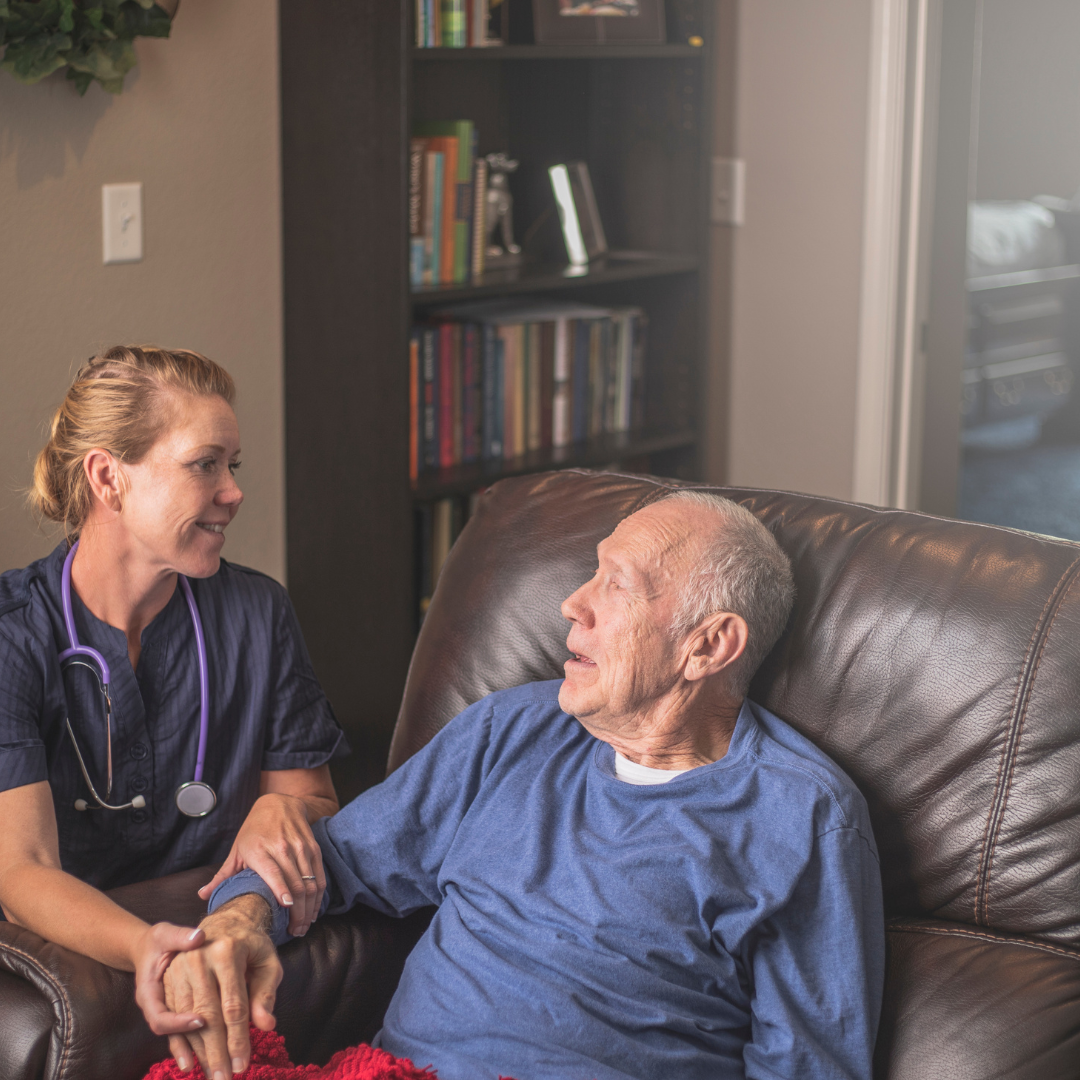
A care home is not a decision to be taken lightly. It is one of those times when families stop, re-evaluate, and speak truthfully. Be concerned; you are not only seeking an abode. You want to be at peace of mind. A home where your loved one is safe, respected, and, of course, comfortable enough to call it home.
That’s where care home safety and comfort really come into focus.
Because it’s not just about locked doors or medical support. It is about the little, the mundane. The manner in which employees communicate. The way rooms feel. The way routines are respected instead of forced.
Let’s break it down properly.
Safety Isn’t Just Systems. It’s a feeling.
Most people assume safety in care homes is all about alarms, cameras, and emergency buttons. And sure, those things matter. A lot.
But real safety? It goes deeper than that.
In well-run homes, residents feel safe because:
- They recognize faces around them
- They know someone will respond quickly if they need help
- They’re not rushed or ignored
At places like Kanesbury Care, safety is built into everyday life. It’s not loud or obvious. It’s just… there. Quietly working in the background while life continues normally.
And honestly, that’s how it should be.
A Warm Environment Changes Everything
No one wants to live somewhere that feels like a hospital.
Cold walls. Strict routines. No personality.
That’s not comfort.
A proper care home focuses on creating a “home-from-home” feel. And yeah, that phrase gets thrown around a lot, but when done right, you notice the difference immediately.
Residents need:
- Spaces where they can relax without feeling watched
- Rooms that feel personal, not temporary
- Areas where they can chat, sit quietly, or just exist comfortably
At Kanesbury Care, the focus is on warmth and familiarity. Not just in design, but in atmosphere. You walk in, and it doesn’t feel clinical. It feels lived-in. Calm. Human.
That matters more than people think.
Personalised Care Makes Residents Feel Secure
Here’s something people don’t talk about enough.
Safety isn’t one-size-fits-all.
One resident might need help walking. Another might need memory support. Someone else might just need a bit of reassurance now and then.
Good care homes don’t treat everyone the same. They adapt.
Personalised care means:
- Understanding routines and habits
- Respecting preferences (even small ones, like tea timing or sleep schedules)
- Adjusting support as needs change
At Kanesbury Care, this approach is built into their system. Whether it’s residential care, dementia support, or nursing care, everything is tailored.
And that’s where comfort starts to grow. When people feel understood, they relax.
What Families Actually Want
If you’re searching for a care home, what are you really looking for?
Not brochures. Not fancy words.
You want:
- Your loved one feels safe
- To know someone is always there
- A place that doesn’t feel lonely
That’s exactly what Kanesbury Care focuses on every day.
If you’re exploring options, it’s worth taking a closer look.
Sometimes seeing it yourself changes everything.
Daily Monitoring Without Feeling Watched
Now, monitoring residents is important. No doubt.
But there’s a fine line.
Too much surveillance? It feels uncomfortable.
Too little? It becomes risky.
The balance is what matters.
Good care homes manage this by:
- Having staff present and attentive throughout the day
- Using discreet safety systems rather than intrusive ones
- Checking in regularly without disrupting routines
Night care is just as important. Residents should be able to sleep peacefully knowing someone is nearby if needed.
It’s not about control. It’s about quiet reassurance.
Preventing Falls and Accidents (Without Making Life Rigid)
Falls are one of the biggest concerns in elderly care. And yeah, they’re serious.
But here’s the thing.
You can’t just eliminate movement to prevent risk. That would make life… pretty dull.
So instead, care homes focus on reducing risk while still encouraging independence.
This includes:
- Thoughtfully designed spaces (no unnecessary obstacles)
- Supportive equipment where needed
- Staff who assist without taking over completely
At Kanesbury Care, residents aren’t restricted. They’re supported. There’s a difference.
And it shows in how people move around more confidently, less fearfully.
The Role of Social Connection in Comfort
Comfort isn’t just physical. It’s emotional too.
Loneliness can hit hard in later years. And honestly, it’s something many families worry about when choosing a care home.
That’s why meaningful activities matter. Not forced entertainment. Real engagement.
Things like:
- Conversations over coffee
- Light activities that bring joy
- Time spent outdoors in calm surroundings
Kanesbury Care puts a lot of focus on “moments that matter.” And it’s not just a phrase. It’s part of how they operate.
Because feeling connected is just as important as feeling safe.
Outdoor Spaces That Actually Help Well-Being
Fresh air does something. It clears the mind. Settles emotions. Care homes that offer outdoor access tend to feel… better.
Residents can:
- Sit quietly in gardens
- Take gentle walks
- Enjoy natural surroundings without stress
At Kanesbury homes across Bournemouth and Poole, outdoor spaces are designed to be peaceful, not overwhelming.
It’s simple. But it works.
A Community That Feels Real
Here’s where many places get it wrong. They focus on care, but forget about community.
People don’t just want to be looked after. They want to belong.
At Kanesbury Care, the environment is shaped around connection:
- Families are always welcome
- Visits feel natural, not restricted
- Residents build real relationships
It’s not just a facility. It’s a community.
And you can feel that difference pretty quickly.
The “Home for Life” Promise
This is something worth talking about.
Moving into a care home is a big step. No one wants to keep relocating as needs change.
That’s why the “Home for Life” approach matters.
It means:
- Residents can stay in familiar surroundings
- Care levels adapt as needs evolve
- There’s continuity and stability
Less disruption. More peace of mind.
And honestly, that’s something families appreciate more than anything else.
Final Thoughts
The safety and comfort of care homes at the end of the day all boil down to a single thing.
Trust.
You are entrusting somebody to a team. That’s not small.
The right care home doesn’t just provide services. It makes the environment a place in which residents feel safe without worrying about it and comfortable without trying too hard.
Such a balance is hard to find. But when you have it, you know. Whether you are thinking about the care or simply wish to find out what a genuinely supportive setting will be, go the extra mile at Kanesbury Care.
A mere discussion can sometimes clarify things.
FAQs
What safety measures do we expect to find in contemporary care homes?
Contemporary residential facilities combine various non-obvious safety measures such as emergency call buttons, guarded access, and fall sensors. Such systems facilitate safety and comfort in care homes without limiting residents. Achieving silent protection is the aim, as opposed to being under constant watch and pressure.
What is the method of monitoring residents during the day and night by staff?
During the day, staff are available and visit frequently and observe residents in the course of daily activities. Teams are on night shift to be able to respond promptly in case of necessity. Surveillance is carried out in a manner that is supportive but not intrusive, thus allowing residents to relax.
What are the measures that prevent falls and accidents?
Safe layouts, adequate lighting, and, where necessary, mobility support help care homes to minimize the risk of falls. Residents are also helped by staff and not restricted to independence. The notion is not to contain the movement, but to ensure that daily tasks are safer and easier to accomplish.
How do care homes create a comfortable and homely environment?
Personalised rooms, friendly communal areas, and a warm environment make it comfortable. The residents are urged to carry personal belongings and routines, and do what they like. It is about making a home that is lived in, not a clinic.
What is the personalised care based on the needs of each resident?
All residents are provided with an individual care plan according to their health, preferences, and routines. These plans are dynamic with the changing needs. This flexible approach ensures residents feel understood, supported, and comfortable in their daily lives.